

Overhead Insulated Cable Upgrades Power Distribution Infrastructure in West Africa
2026/10/15
Traditional bare overhead lines widely used in this region often suffer from frequent power faults caused by tree contact, accidental short circuits and external interference, which lead to unstable power supply. The adoption of overhead insulated cable effectively solves these pain points. With an outer insulating layer, the cable reduces the risk of short-circuit accidents triggered by vegetation, flying debris and human contact. It also allows cables to be laid with smaller spacing, saving corridor space and adapting well to crowded town streetscapes.
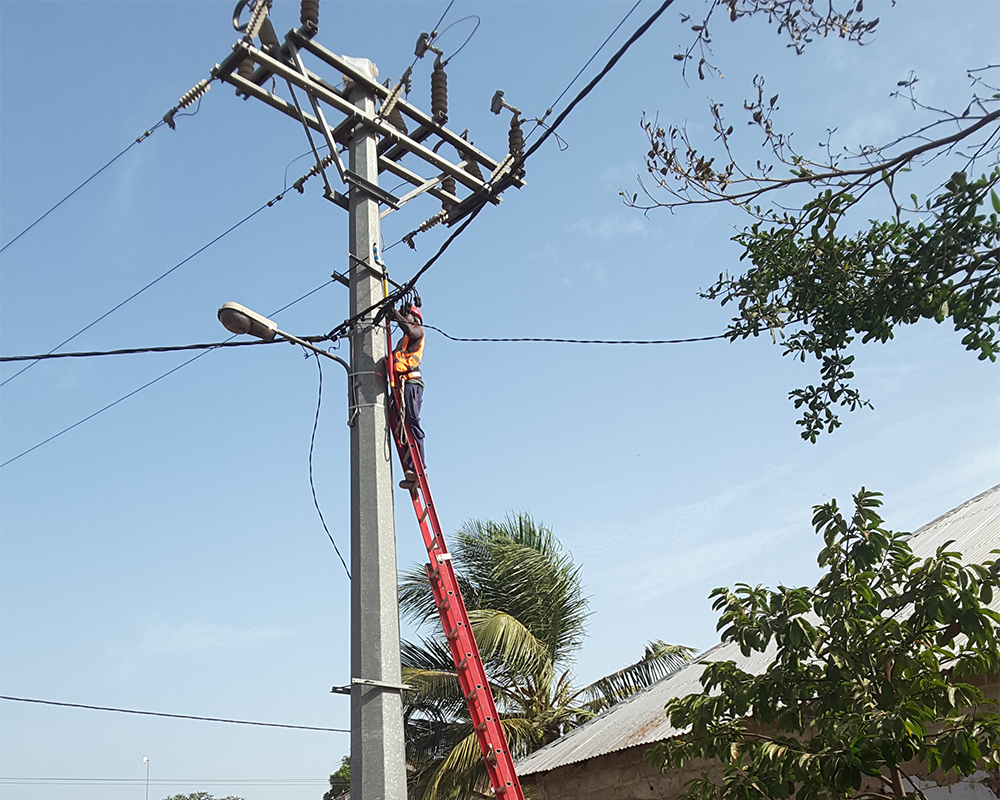
For West African towns, this technology brings multiple practical benefits. First, it cuts down unplanned outages and reduces maintenance workload for power companies. Second, overhead insulated cable installation is faster and more cost-effective than underground cabling, which fits local construction conditions and budget constraints. The upgraded network will support stable power delivery for nearby households, small shops and street lighting, laying a foundation for local daily life and small business development.